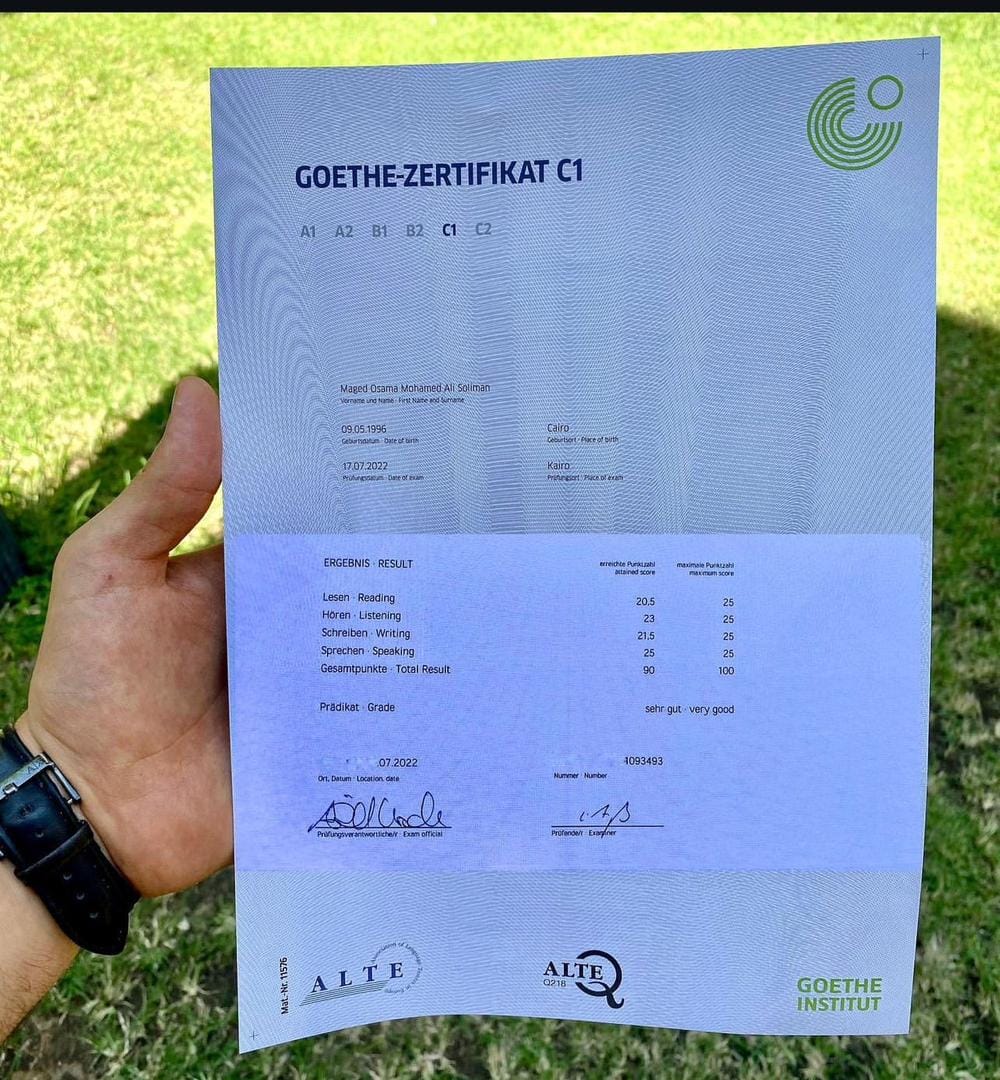
Understanding the ÖSD Certificate: An Essential Credential for German Language Proficiency
In the globalized world we reside in, efficiency in a second language, especially German, is typically a crucial possession. The ÖSD (Österreichisches Sprachdiplom Deutsch) Certificate stands as a prominent testimony to one's German language abilities. This post aims to provide a detailed summary of the ÖSD Certificate, exploring its value, structure, preparation methods, and the regularly asked questions surrounding it.
What is the ÖSD Certificate?
The ÖSD Certificate is an internationally recognized certification that examines German language efficiency across numerous levels, from A1 (newbie) to C2 (proficient). It is especially well-regarded in nations where German is the national or primary language. By providing a standardized measurement of language skills, the ÖSD Certificate help in scholastic admissions, expert certifications, and personal improvement.
Why Choose the ÖSD Certificate?
The decision to pursue an ÖSD Certificate may be driven by different aspects. Here are some engaging reasons:
| Reasons to Choose the ÖSD Certificate |
|---|
| Commonly recognized in Europe. |
| Accepted for academic admissions in German-speaking universities. |
| Boosts career potential customers in German-speaking nations. |
| Verifies language skills for immigration functions. |
| Offers structured finding out through defined levels. |
Levels of the ÖSD Certificate
The ÖSD Certificate corresponds to the Common European Framework of Reference for Languages (CEFR), which defines language proficiency levels. Comprehending these levels assists prospective prospects choose the appropriate exam according to their language proficiency.
| Level | Description | Abilities Assessed |
|---|---|---|
| A1 | Novice | Standard expressions and everyday expressions. |
| A2 | Primary | Simple conversations, descriptions of self and environments. |
| B1 | Intermediate | Ability to comprehend the bottom lines of clear basic input. Can produce ÖSD B1 Prüfung linked text. |
| B2 | Upper Intermediate | Understanding the essences of complicated texts; can interact with a degree of fluency and spontaneity. |
| C1 | Advanced | Comprehending a broad range of demanding texts; can produce clear, well-structured text. |
| C2 | Proficient | Mastery of the language with a near-native fluency; can understand practically everything read or heard. |
Structure of the ÖSD Examination
The ÖSD examination comprises 4 sections that examine listening, reading, composing, and speaking abilities. Each part plays an important role in examining a person's overall efficiency.
Breakdown of the Examination Components:
Listening Comprehension
- Understanding spoken German in various contexts.
- Includes answering concerns based on audio recordings.
Reading Comprehension
- Involves reading and comprehending various kinds of texts, from articles to literary texts.
- Prospects address multiple-choice questions and brief response questions.
Writing Proficiency
- Entrusted with writing an essay, letter, or report, depending upon the level.
- Stresses clearness, company, and appropriate vocabulary use.
Speaking Proficiency
- Interactions are performed one-on-one or in small groups with an examiner.
- The focus is on spoken fluency, vocabulary, and coherence in conversation.
Preparing for the ÖSD Examination
Preparation is vital to any language exam, and the ÖSD is no various. Effective research study practices and resources can make a substantial difference in the result. Here is a list of ideas to prepare successfully:
Top 10 Preparation Tips:
- Understand the CEFR levels: Get familiar with the requirements of your picked level.
- Register in an ÖSD preparation course: Many language schools provide particular preparation courses.
- Practice with sample tests: Familiarize yourself with the exam format through practice documents.
- Immerse yourself in the language: Watch German movies, listen to music, and read German literature.
- Sign up with a language exchange group: Practice speaking with native speakers or fellow students.
- Work with a tutor: This can offer customized feedback and one-on-one assistance.
- Make use of online resources: Websites and mobile apps dedicated to German knowing can boost your abilities.
- Set a research study schedule: Consistency is crucial; routine research study sessions are more efficient than stuffing.
- Focus on locations of difficulty: Identify powerlessness in your language abilities and target them.
- Stay favorable and motivated: Maintain a favorable attitude towards your knowing journey.
Often Asked Questions (FAQ)
1. How long is the ÖSD Certificate legitimate?
The ÖSD Certificate does not expire. Nevertheless, some organizations may require an upgraded certificate after a particular number of years.
2. Where can I take the ÖSD exam?
The ÖSD evaluation is provided at many language schools and assessment centers worldwide. A thorough list is readily available on the main ÖSD website.
3. What is the expense of the ÖSD exam?
The fees for the ÖSD exam vary by place and the level of the assessment. It is a good idea to call the assessment center for particular information.
4. What is the passing grade for the ÖSD exam?
Each level has its own grading system. Generally, a rating of 60% or higher is considered passing, however this may vary by institution or requirement.
5. Can I retake the ÖSD exam if I do not pass?
Yes, candidates can retake the exam as lots of times as needed. It is a good idea to focus on preparation before attempting the exam again.
The ÖSD Certificate acts as a cornerstone for people seeking to verify their German language efficiency. Whether for academic, expert, or individual reasons, achieving this credential can open doors to various opportunities. With proper preparation, understanding the exam structure, and using readily available resources, candidates can considerably boost their likelihood of success.